
The Netherlands: Bikes, Canals, and Surprising Academic Excellence - My Honest Take
2026-02-13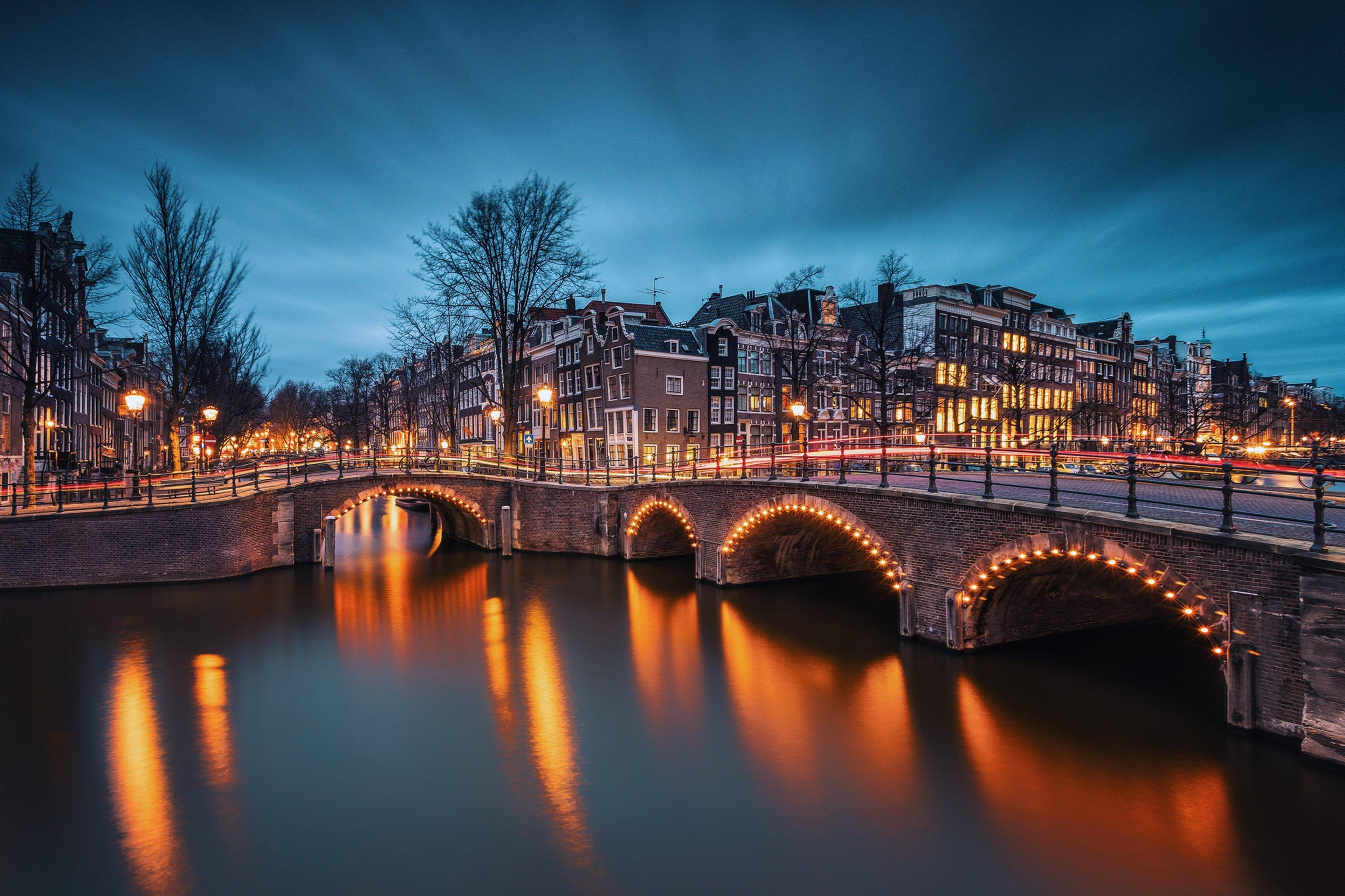
Why I'm Writing This (And What I Wish I'd Known)
Let me start with a confession: when I first thought about studying in the Netherlands, my knowledge came mostly from images of windmills, tulips, and people cycling everywhere. I imagined quaint canals, liberal attitudes, and a relaxed pace of life. And while some of that turned out to be true, there was so much I wish someone had told me before I made the leap.
My friend Sophie moved to Amsterdam for her master's in international business at the University of Amsterdam back in 2019. I remember her video calling me during her first week, completely overwhelmed. "Emma," she said, "I'm living in a city straight out of a postcard, everyone speaks incredible English, and I have no idea how to ride a bike in this traffic." Fast forward four years, and Sophie is now working at a Dutch multinational company, completely fluent in Dutch, and loving her life there.
Then there's my colleague Mark, who did his PhD at Delft University of Technology. He'll tell you that the research opportunities were incredible, but the direct communication style took some getting used to. "The Netherlands is amazing," he told me over coffee last month, "but Dutch people are incredibly direct. They'll tell you exactly what they think, which can be shocking if you're not used to it."
These stories, plus countless others from students I've advised, have taught me that the Netherlands isn't just about bikes and canals. It's a serious academic destination with its own set of challenges and rewards. Let me share what I've learned—the beautiful, the challenging, and everything in between. If you're just starting your study abroad journey, you might find our guide on best countries for beginners helpful.
The Good Stuff: Why Students Love the Netherlands
1. English-Taught Programs Are Everywhere
Let's start with the obvious: the Netherlands has one of the highest percentages of English-taught programs in non-English speaking countries. This isn't just about convenience—it's about accessibility for international students.
Sophie, the University of Amsterdam graduate, completed her entire master's in English. "I didn't need to speak a word of Dutch for my studies," she told me. "All my classes, assignments, and exams were in English. It made the transition so much easier than I expected."
And it's not just business programs. I've had friends study psychology at Utrecht, engineering at Delft, and law at Leiden—all in English. The Dutch are genuinely committed to making education accessible to international students.
2. The Quality of Education is Exceptional
I know what you're thinking: "If it's in English, is it really that good?" The answer is a resounding yes. Dutch universities consistently rank among the best in Europe, and for good reason.
Mark, the Delft PhD, was blown away by the quality of his program. "The research facilities were world-class," he told me. "My supervisor was incredibly supportive, and the emphasis on practical application was exactly what I needed. I wasn't just learning theory—I was applying it to real-world problems."
And it's not just technical fields. I've had friends study international law at Leiden, economics at Rotterdam, and environmental science at Wageningen. The common thread? They all felt challenged, supported, and prepared for the real world.
3. The Orientation Year Visa is Generous
Here's something that often surprises international students: after graduating, you get a one-year orientation year visa that allows you to stay in the Netherlands and look for work. And here's the best part: you don't need a job offer to qualify. If you're interested in comparing visa processes across countries, our article on easier visa processes might be helpful.
Sophie used her orientation year to land her current position. "That year was crucial," she told me. "I was able to apply to companies, attend job fairs, and really understand the Dutch job market. Without that visa, I would have had to leave immediately after graduation."
And once you find a job, the pathway to permanent residency is relatively straightforward. The Netherlands has a shortage of skilled workers, especially in STEM and business fields, and they're actively looking to retain international graduates.
4. The Lifestyle is Unmatched
Let's talk about Dutch lifestyle. I'm talking about bike-friendly cities, incredible work-life balance, and a culture that values personal time. The Dutch work hard, but they also know how to relax. While the Netherlands isn't the cheapest study abroad destination, it offers good value for money with its high-quality education and excellent quality of life. For a detailed breakdown of study abroad costs, check out our guide on understanding true costs beyond tuition.
Sophie told me about her typical week: "Monday to Friday, I'd cycle to class, study hard, and maybe meet friends for dinner. But weekends? That was for me. I'd explore Amsterdam, visit other Dutch cities, or just relax in a canal-side café. The work-life balance was incredible."
And the cycling culture is infectious. I've seen friends who never rode bikes back home suddenly become dedicated cyclists. There's something about the Dutch infrastructure that makes cycling not just practical, but enjoyable.
The Not-So-Good Stuff: Challenges You Need to Know About
1. The Direct Communication Can Be Jarring
Let's be honest: Dutch people are incredibly direct. They'll tell you exactly what they think, without sugarcoating. This can be shocking if you're from a culture that values indirect communication.
Mark told me about his first experience with Dutch directness: "I gave a presentation, and my supervisor just said, 'This isn't good enough. Do it again.' No 'good job, but...' Just straight to the point. I was crushed."
But here's the thing: once you understand that this directness isn't personal, it's actually refreshing. Dutch people don't play games—they tell you what they think, and you know exactly where you stand. It just takes some getting used to.
2. Finding Housing Can Be a Nightmare
Here's something that surprises many international students: finding housing in Dutch cities, especially Amsterdam, Utrecht, and Rotterdam, is incredibly difficult. The rental market is competitive, and landlords often prefer Dutch tenants.
Sophie spent four months living in temporary accommodation before she found a permanent apartment. "I applied to dozens of places, went to countless viewings, and was rejected over and over," she told me. "It was incredibly stressful. I was starting to wonder if I'd ever find a place."
She eventually found something through a university housing program, which is actually how many students find housing in the Netherlands. The rental market is competitive, and having connections or using university services can make a huge difference.
3. The Weather is... Unpredictable
Let's talk about Dutch weather. It's not terrible, but it's unpredictable. You might have sunshine one moment and rain the next. And the winters? They're gray, dark, and can feel endless.
Mark, who's originally from California, struggled with this. "I'm used to sunshine," he told me. "My first Dutch winter was tough. I felt constantly tired, a bit depressed, and just... gray. It took me a while to adjust."
But here's the thing: the Dutch have learned to embrace it. They have cozy cafés, indoor activities, and a philosophy that there's no such thing as bad weather—only bad clothing. You adapt, you invest in a good raincoat, and you learn to appreciate the cozy moments.
My Advice: Is the Netherlands Right for You?
Choose the Netherlands If:
- You want to study in English: If you're looking for an English-speaking environment without going to an English-speaking country, the Netherlands is perfect.
- You value work-life balance: Dutch culture prioritizes personal time and doesn't glorify overwork. If you appreciate this balance, you'll feel right at home.
- You're interested in business or STEM: The Netherlands is particularly strong in business, engineering, and technology. If you're studying in these fields, you'll find incredible opportunities.
- You enjoy cycling and urban living: Dutch cities are designed for bikes, and the urban lifestyle is vibrant and convenient. If you love city life, you'll thrive here.
Think Twice About the Netherlands If:
- You're sensitive to direct communication: Dutch people are known for being direct and sometimes blunt. If you prefer more indirect communication styles, you might find it jarring.
- You hate unpredictable weather: If you need consistent sunshine to be happy, the Dutch climate might be challenging. The weather can change quickly, and winters are gray and dark.
- You prefer a relaxed pace of life: While the Dutch value work-life balance, they're also efficient and organized. If you prefer a more laid-back approach to life, you might find it structured.
Practical Tips from Those Who've Been There
From Sophie (International Business, Amsterdam):
"Learn some basic Dutch. Even though you can study entirely in English, knowing a few phrases will make daily life much easier. And Dutch people really appreciate the effort."
From Mark (PhD, Delft):
"Start looking for housing early. Like, really early. And consider university housing programs—they're often the easiest way to secure accommodation."
From Lisa (Psychology, Utrecht):
"Get a bike immediately. It's not just transportation—it's a lifestyle. You'll feel like a local once you're cycling everywhere."
From Thomas (Engineering, Eindhoven):
"Join international student organizations. They're a great way to make friends, get advice, and navigate the challenges of living in a new country. Don't try to do everything alone."
Final Thoughts: Is the Netherlands Worth It?
After watching friends and students navigate the Dutch education system, my answer is a qualified yes. The Netherlands isn't perfect—the direct communication can be jarring, finding housing is difficult, and the weather is unpredictable. But for the right person, it offers an education that's both academically excellent and personally enriching.
Sophie put it perfectly when we talked last week: "The Netherlands gave me an incredible education in a language I already spoke, but it also gave me so much more. It taught me to appreciate directness, to embrace cycling, and to find joy in gray days. Was it challenging? Absolutely. But was it worth it? Without a doubt."
If you're considering the Netherlands, do your research. Talk to current students, reach out to alumni, and be honest with yourself about what you want from your study abroad experience. And if you decide to take the leap? Pack your raincoat, your bike helmet, and get ready for an adventure that will challenge you, inspire you, and change you in ways you never expected.
Frequently Asked Questions
1. Do I really need to speak Dutch to study in the Netherlands?
Not necessarily. Many programs, especially at the master's and PhD levels, are taught entirely in English. However, you'll need some Dutch for daily life, and having Dutch language skills will significantly improve your experience and job prospects after graduation. If you're concerned about language requirements, our guide on studying without IELTS covers alternatives for many countries.
2. Can I work while studying in the Netherlands?
Yes! International students can work up to 16 hours per week during the academic year and full-time during June, July, and August. Many students find part-time work in research positions, tutoring, or service jobs. Just make sure your visa allows it—most student visas do.
3. How hard is it to get a job after graduation?
The one-year orientation year visa gives you time to find work, which is a huge advantage. The Netherlands has a shortage of skilled workers, especially in STEM and business fields, so job prospects are generally good. However, having Dutch language skills is often a requirement for many positions.
4. Is the Netherlands really that bike-friendly?
Yes, absolutely. Dutch cities are designed for cyclists, with dedicated bike lanes, parking everywhere, and a culture that prioritizes cycling over driving. Most students cycle to class, to the grocery store, and everywhere in between. It's not just transportation—it's a lifestyle.
5. What's the biggest mistake international students make in the Netherlands?
In my experience, the biggest mistake is not understanding Dutch directness. Many students take Dutch people's straightforward comments personally, when they're actually just being honest. Once you understand that this directness isn't personal, it's actually refreshing. Dutch people don't play games—they tell you what they think, and you know exactly where you stand.